
Every culture celebrates the New Year in its own unique way, yet the themes are remarkably shared: renewal, prosperity, family, and the hope of a fresh start. From the bustling streets of Kolkata during Poila Boishak in April to candlelit Rosh Hashana tables in early autumn to firecracker-bright Lunar New Year evenings, one idea shines through across cultures and continents—the desire to begin again.
Around the world, the New Year is more than a date on a calendar. It is a moment of reflection, ritual, food, and connection. While each tradition carries its own history and meaning, the patterns within them reveal something universal about being human. Below, we explore New Year foods, symbolic rituals, and celebrations from different cultures—an invitation to appreciate both their distinctiveness and shared spirit.
Celebrating New Beginnings Across the Globe
Renewal & Letting Go
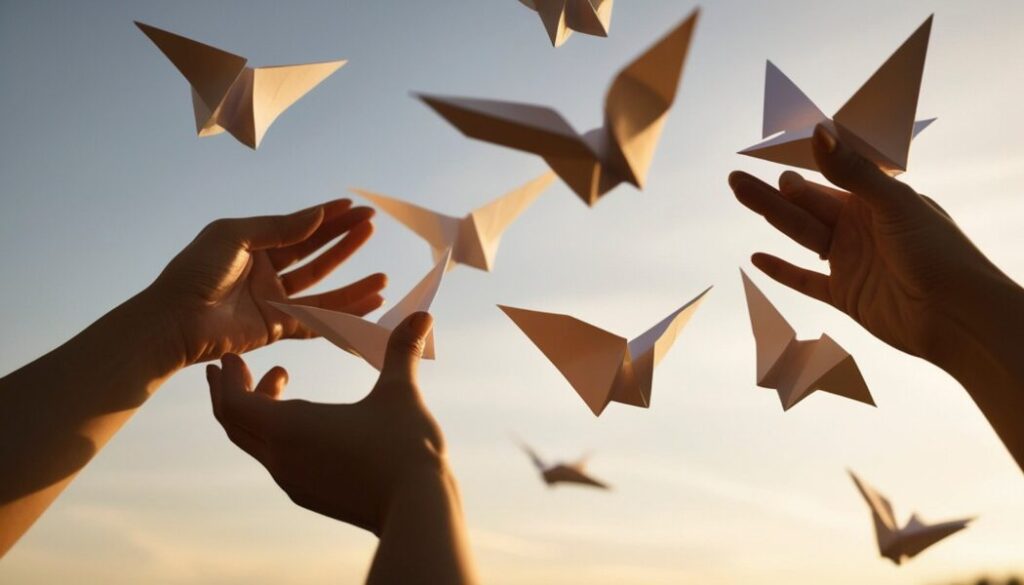
The New Year often begins with release: letting go of the old to make space for whatever comes next.
In Japan, the transition is marked by toshikoshi soba, long noodles eaten on New Year’s Eve to symbolize crossing from the old year into the new. Thailand’s Songkran Festival centers on water—families pour water gently over elders’ hands as a blessing, inviting purification, clarity, and grace for the months ahead. During Rosh Hashana, many Jewish communities participate in Tashlich, casting breadcrumbs into flowing water to symbolize forgiveness and the shedding of past mistakes.
Across these traditions, renewal is not simply a celebration—it is an intentional act of release that clears the way for hope.
Foods for Prosperity and Abundance
New Year foods often carry the promise of good fortune, prosperity, and abundance.
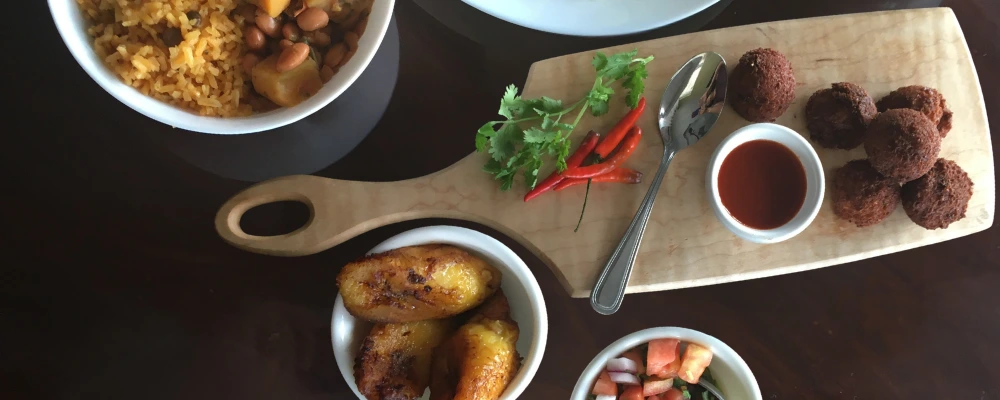
In Italy, lentils represent coins, making them a symbolic dish for financial well-being. In the American South, black-eyed peas, collard greens, and cornbread stand for luck, money, and gold. Lunar New Year celebrations feature dumplings shaped like gold ingots, whole fish signifying unity, and tangerines for luck and brightness. In Bengal, Poila Boishakh dishes often include hilsa fish, a deeply cultural symbol of prosperity, respect, and heritage.
These foods do more than nourish—they set intentions for the year ahead.

Sweetness and Joy
Sweet foods are a universal wish for a joyful year.
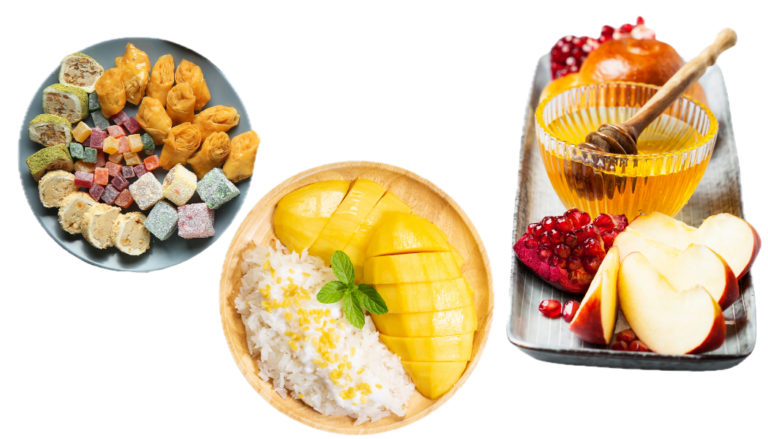
During Rosh Hashana, apples dipped in honey, honey cake, and pomegranates symbolize hopes for a sweet beginning. Poila Boishakh features beloved Bengali sweets such as mishti doi and sandesh, marking the start of the new year with comfort and celebration. Songkran in Thailand often includes mango sticky rice, a dessert that embodies joy, gratitude, and the sweetness of the season. During Nowruz, pastries and dried fruits welcome spring and renewal.
Across celebrations, sweetness is a way of inviting happiness into the coming months.
Family, Community, and Togetherness
While New Year traditions vary widely, nearly all emphasize gathering—sharing meals, reconnecting with loved ones, and honoring community.
Lunar New Year reunions often center on multi-generational cooking, especially dumpling-making, which brings families together. Ethiopia’s Enkutatash includes communal meals of doro wat and injera, highlighting gratitude and shared joy. Western New Year’s Eve traditions—from countdowns to midnight toasts—symbolize unity, reflection, and celebration. Poila Boishakh brings people into lively street fairs (melas), where food, music, and art create a vibrant sense of collective renewal.
Togetherness is one of the most consistent threads in global New Year traditions.
Cycles, Time, and Transformation
Many cultures use symbolic foods or rituals to acknowledge the cyclical nature of time and the ongoing journey of life.
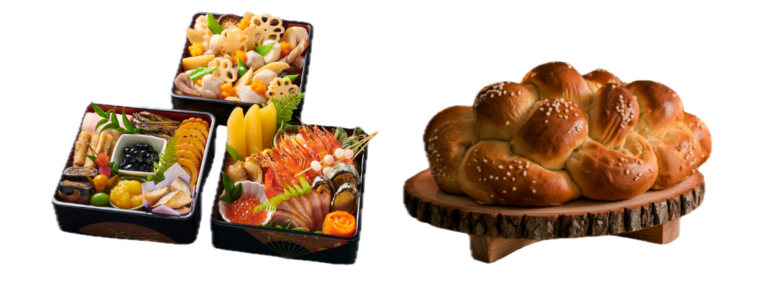
Rosh Hashana’s round challah represents the continuous cycle of seasons and experience. Japanese osechi ryōri, beautifully layered in lacquer boxes, symbolizes layered blessings and intentions for the year ahead. Nowruz, celebrated on the spring equinox, honors the earth’s natural cycles of rebirth and renewal.
These traditions remind us that the New Year is both a beginning and a continuation—a moment of transformation rooted in the rhythms of life.
Global Dates, Shared Spirit
New Year celebrations take place throughout the calendar year:
- January 1: Gregorian New Year
- January/February: Lunar New Year
- March 21: Nowruz
- April: Poila Boishakh and Songkran
- September/October: Rosh Hashana
The dates may differ, but the intention is the same: to welcome renewal, hope, and connection.
Across cultures, continents, and traditions, New Year celebrations consistently echo the same core themes:
- Renewal and letting go
- Prosperity and abundance
- Sweetness and joy
- Family and community
- Cycles and transformation
Whether it is a bowl of soba noodles in Japan, honey-dipped apples during Rosh Hashana, hilsa fish in Bengal, or dumplings at Lunar New Year, each tradition holds a wish for the year ahead.
No matter where or when it is celebrated, the New Year reminds us that every ending opens a door to a new beginning—and that hope, in its many beautiful forms, is something we all share.
Happy New Year!