

At the end of each wedding we cater, we ask our clients about their experience of the overall wedding planning process. Specifically, we asked what information they wish they knew at the start of the wedding planning process.
Below is a summary of all the responses we collected over the past year. We hope you find it useful as you plan your wedding.
1. The Real Cost of Everything
Weddings and events almost always cost more than initially expected. Hidden expenses such as taxes, permits, delivery fees, setup charges, alterations, gratuities, and overtime fees can significantly impact the budget. Two couples, whose weddings we catered in 2025, said that they ended up spending over double what they initially budgeted for; both commented that everything cost more than they had thought.
Many couples wish they had created a larger buffer in their budgets from the outset.
2. How Quickly Vendors Book Up
Popular venues, photographers, caterers, DJs, and planners are often booked months or even years in advance. Securing priority vendors early reduces stress and provides more choices. Reach out to your desired vendors as soon as possible and try to lock down your top preferences.

3. Guest Count Drives Nearly Every Decision
Venue size, catering costs, rentals, invitations, and overall budget are heavily influenced by the number of guests. Many wish they had finalized their guest lists faster to make other decisions. Emily and Jordan said “[we] settled on the venue early on, [which] put constraints on the guest count, but that provided structure for the rest of our decisions.”
They recommend that others do the same and settle on this number sooner rather than later to make other decisions.
4. Planning Takes More Time Than Expected
Tasks such as researching vendors, reviewing contracts, making design decisions, and coordinating logistics are time-consuming. Looking back, for Ellie and Dave, who got married in April 2026, this was the case, “[We] wish we had known more about the granularity of all components. We didn’t have an opinion and didn’t know how to make a decision.” For Jess and Brett “planning without a coordinator was difficult [because of having to] manage all of the details and moving parts.”
By starting earlier and building in buffer time, future couples can prevent last-minute pressure and alleviate stress.
5. Not Everything Goes According to Plan
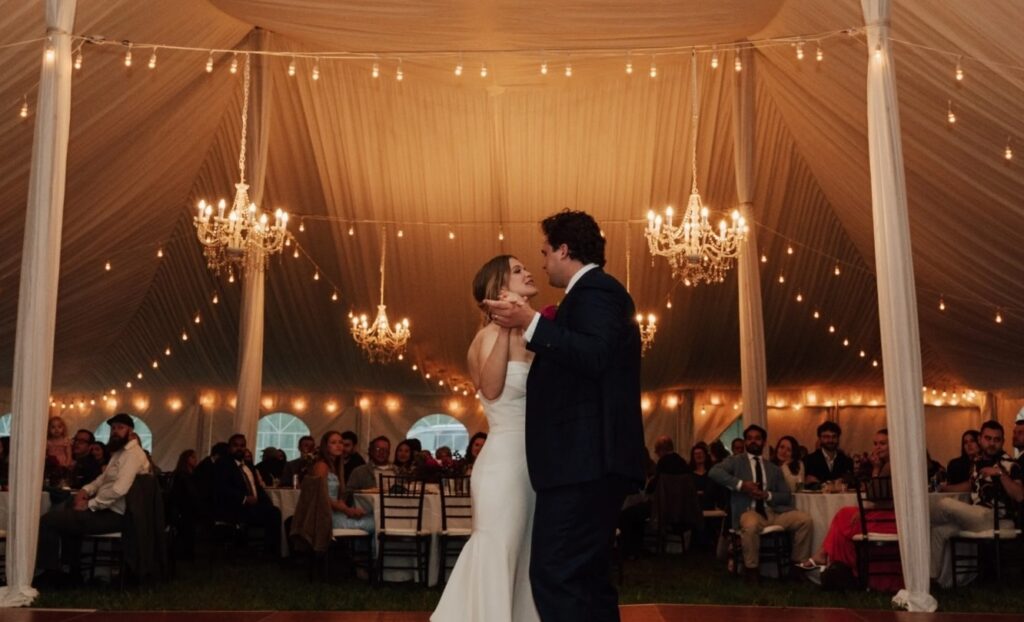
Weather, vendor issues, schedule delays, and unexpected changes are common. Clients have mentioned how it is essential to remain flexible. Even with unexpected rainstorms and forceful winds, the day will be lovely and turn out as planned! While this aligns with other suggestions from couples, contingency plans are essential.
Inclement weather plans are essential to communicate with your vendors in the event of changing the layout and or display of food and other decorations.
6. Prioritization Matters
Couples often realize they don’t need to spend equally on every aspect of the event. Keegan and Mike got married in June 2025 with a Food Truck Reception, and they wished that they took getting the DJ more seriously. At the time, they did not realize how important that would be! For future couples, identifying the most important elements (food, photography, entertainment, décor, etc.) helps allocate the budget more effectively. By ranking the items by importance, it becomes easier to understand where to allocate the bulk of your efforts.
7. Contracts Need Careful Review
Cancellation policies, payment schedules, insurance requirements, and vendor responsibilities can have significant implications. Many wish they had paid closer attention to contract details before signing. Although the fine print is not entertaining to read, it becomes important when changes need to be made throughout the process.
8. DIY Isn’t Always Cheaper or Easier
Handmade decorations, favors, and personal projects seem enticing to save money and personalize them yourself, but often they require more time, money, and effort than anticipated. Some tasks are worth outsourcing.
9. Communication Is Critical
Clear communication with partners, family members, vendors, and the wedding party prevents misunderstandings and conflicting expectations. Establishing decision-making roles early can reduce stress. Luke and Chelsea, who got married in June, 2025, mentioned that because they had a wedding planner, it helped them take care of many things. But there was so much they didn’t know, such as the option to pay in increments. They were able to have their planner help them complete tasks by their due dates, and help them coordinate details during the event day. But all this required clear communication.
10. The Experience Matters More Than Perfection
Many of our clients say they spent too much time worrying about small details that guests barely noticed. The memories, relationships, and overall atmosphere were ultimately more important than achieving a flawless event. When in doubt, don’t sweat the tiny details because most people won’t realize them.

Most of our clients wish they understood how much guest count affects costs, how quickly vendors become unavailable, and how little many of the minor details mattered once the celebration actually began. But they all had wonderful experiences and events in the end! And you will too, now that you are aware of these 10 tips.